Why React Hooks
Table of Contents
Background of React Hooks
In the early versions of React, we used createClass to create components, and later introduced React.Component in React v0.13.0. However, this approach had some issues:
- Limitations in the constructor: The
constructormust call thesupermethod and passpropsto it. - Manually bind
this: It is necessary to manually bindthisin class methods.
Although these issues can be avoided using Class Fields and arrow functions, code repetition still remains a problem. For example:
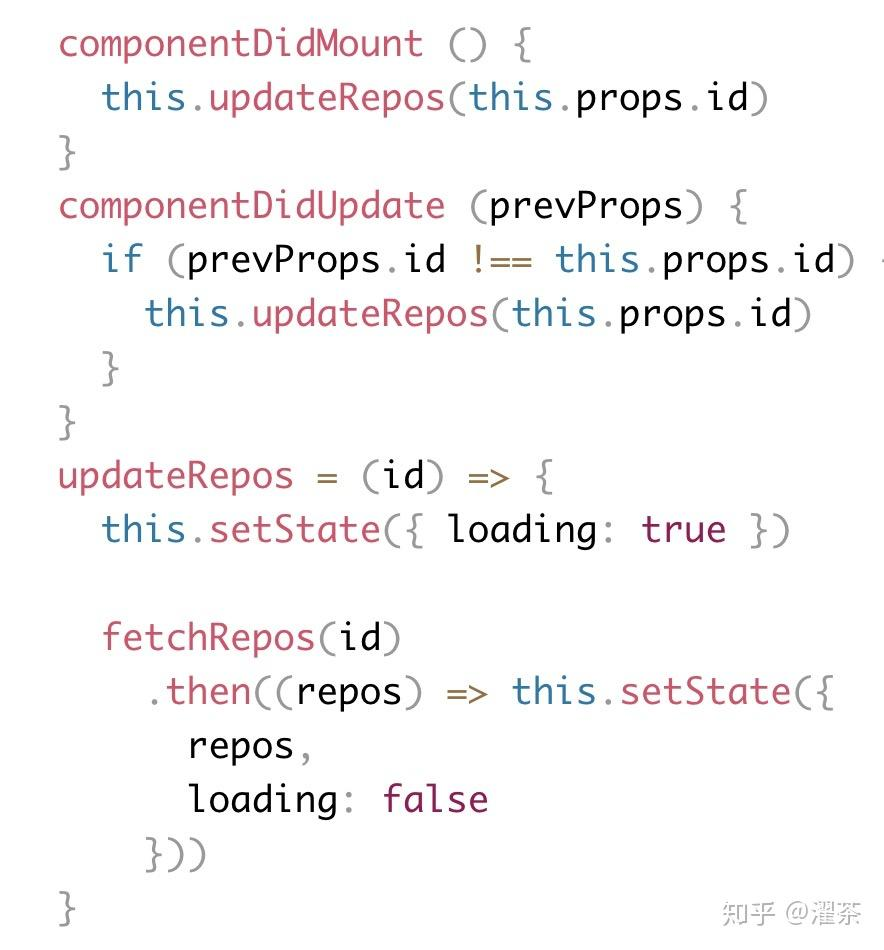
To address these issues, developers often use Higher-Order Components (HOCs) or the Render Props pattern to reuse logic. However, these approaches can lead to “Wrapper Hell” and reduce code readability.
Therefore, the React team introduced React Hooks, aimed at solving these problems and providing a more concise and flexible development approach.
Usage of React Hooks
useState
useState is the most basic Hook in React Hooks. Its function is to manage the state of a component.
- Function: Accepts an initial state (value or function), returns an array, the first element is the current state, and the second element is a function to update the state (e.g.,
setRepos). - Difference from
setState:setStatemanages the entire component’s state object, whileuseStateonly manages a single state.- The update function of
useStatewill completely replace the state, whilesetStatewill merge the state object.
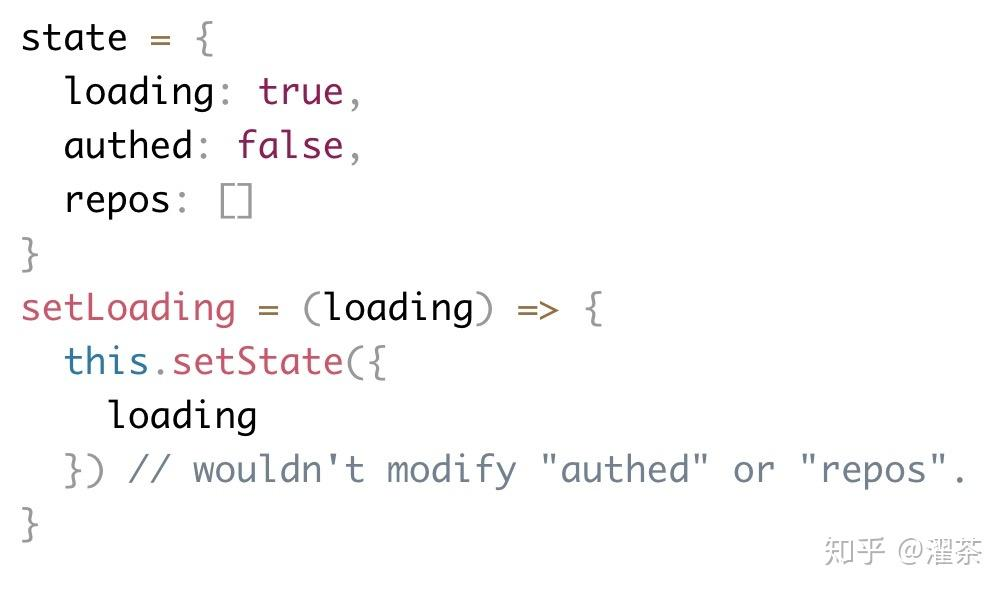
Example code:
const [repos, setRepos] = useState([]);
### useEffect
In traditional class components, lifecycle methods are used to handle side effects (such as data fetching, subscriptions, etc.). In React Hooks, `useEffect` takes on this responsibility.
- **Function**: `useEffect` runs after the component renders, similar to `componentDidMount` and `componentDidUpdate`.
- **Trigger Timing**:
- If the second parameter is not passed, it will be executed after each re-render.
- If an empty array `[]` is passed, it will only be executed during the initial render.
- If a dependencies array is passed, it will only be executed when the dependencies change.
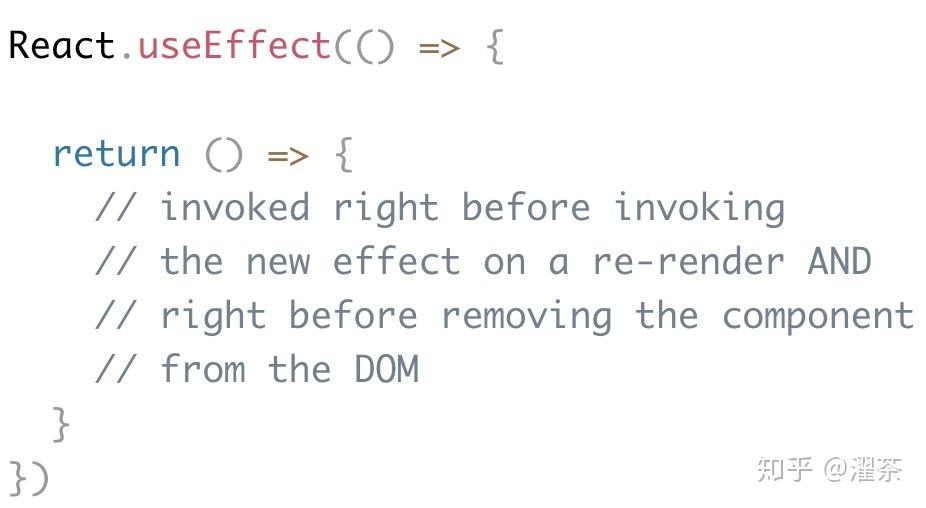
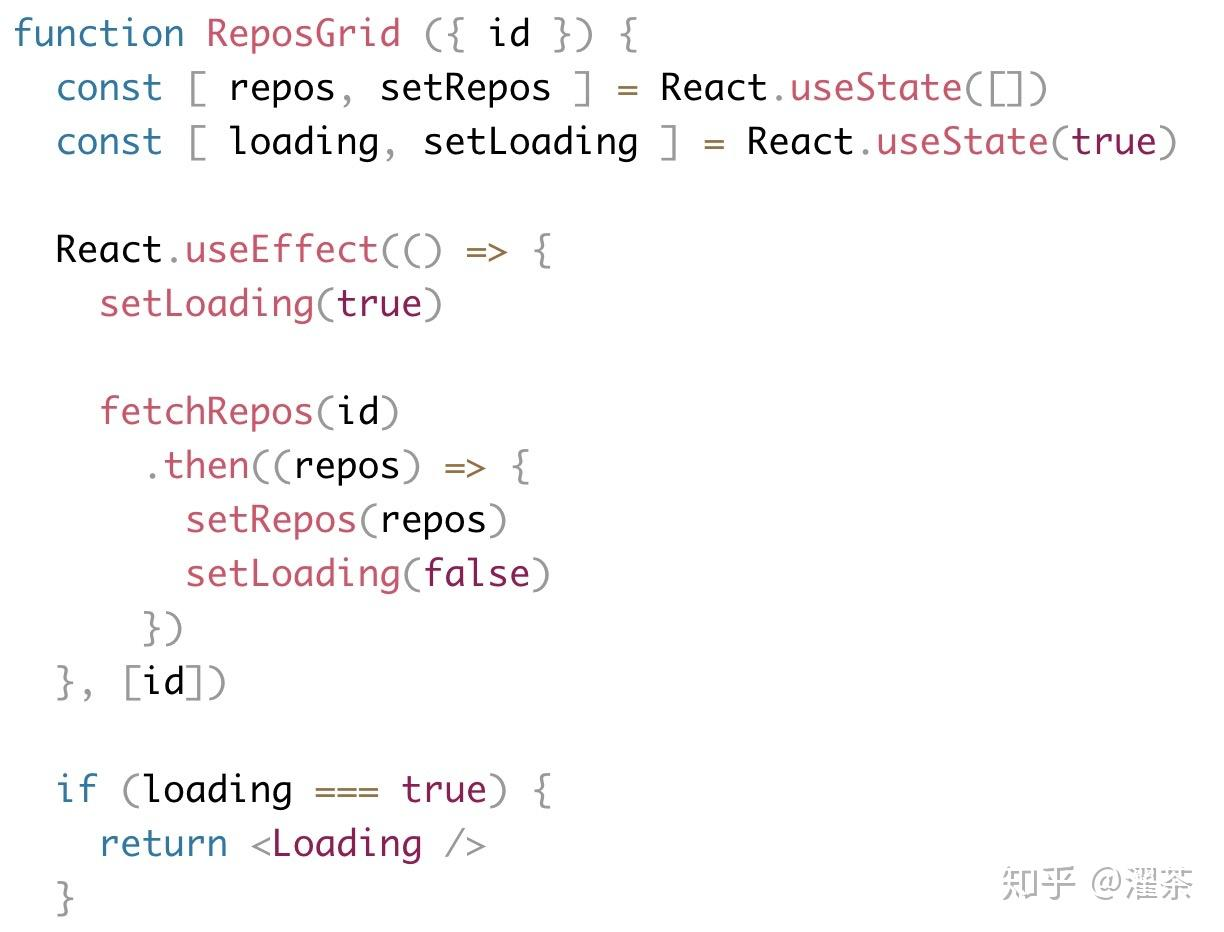 To avoid infinite loops, it is recommended to set the dependencies array reasonably. Additionally, `useEffect` provides a cleanup mechanism for handling resource release, such as event listeners or WebSockets.
Example code:
```jsx
useEffect(() => {
const handler = () => console.log('Window resized');
window.addEventListener('resize', handler);
return () => window.removeEventListener('resize', handler);
}, []);
To avoid infinite loops, it is recommended to set the dependencies array reasonably. Additionally, `useEffect` provides a cleanup mechanism for handling resource release, such as event listeners or WebSockets.
Example code:
```jsx
useEffect(() => {
const handler = () => console.log('Window resized');
window.addEventListener('resize', handler);
return () => window.removeEventListener('resize', handler);
}, []);
Custom Hooks
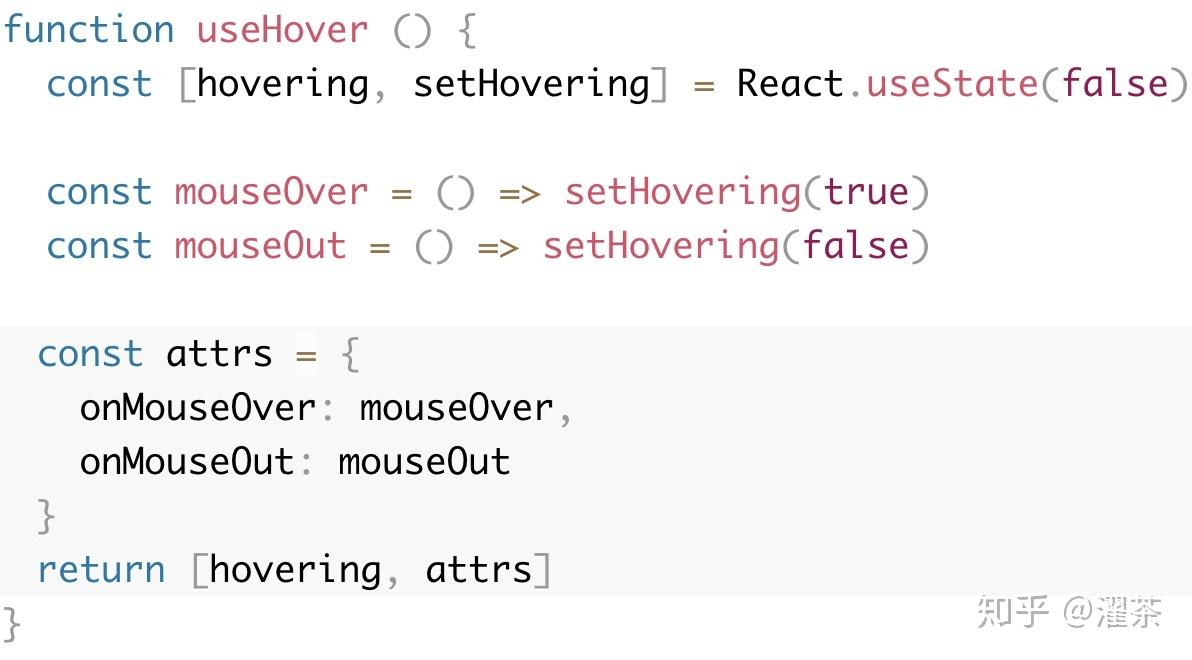
React is not just a UI component library but also needs to handle a lot of non-visual logic. To reuse logic, React provides Custom Hooks.
Advantages: Avoids the “wrapping hell” of HOCs and Render Props, making the code easier to understand.
Naming Convention: Custom Hooks must start with
use. Example code:
function useTooltip() {
const [visible, setVisible] = useState(false);
return { visible, show: () => setVisible(true), hide: () => setVisible(false) };
// Using custom Hook
const tooltip = useTooltip();
 ### useReducer
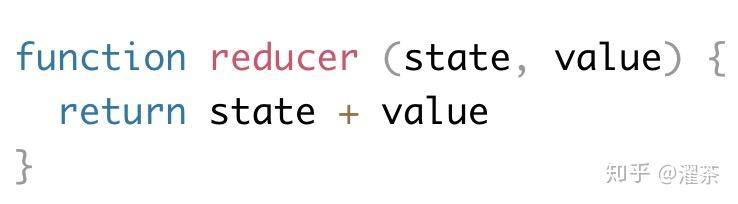
`useReducer` is a state management method based on the **Reducer pattern**, suitable for handling complex state logic.
- **Function**: Triggers state updates via `dispatch`, similar to how Redux works.
- **Applicable Scenarios**: When there are multiple interrelated states in a component, `useReducer` provides a more declarative way to manage state.
Example code:
```jsx
const initialState = { count: 0 };
function reducer(state, action) {
case 'increment':
### useReducer
`useReducer` is a state management method based on the **Reducer pattern**, suitable for handling complex state logic.
- **Function**: Triggers state updates via `dispatch`, similar to how Redux works.
- **Applicable Scenarios**: When there are multiple interrelated states in a component, `useReducer` provides a more declarative way to manage state.
Example code:
```jsx
const initialState = { count: 0 };
function reducer(state, action) {
case 'increment':
  return { count: state.count + 1 };
case 'decrement':
return { count: state.count - 1 }; throw new Error(); const [state, dispatch] = useReducer(reducer, initialState);
useRef
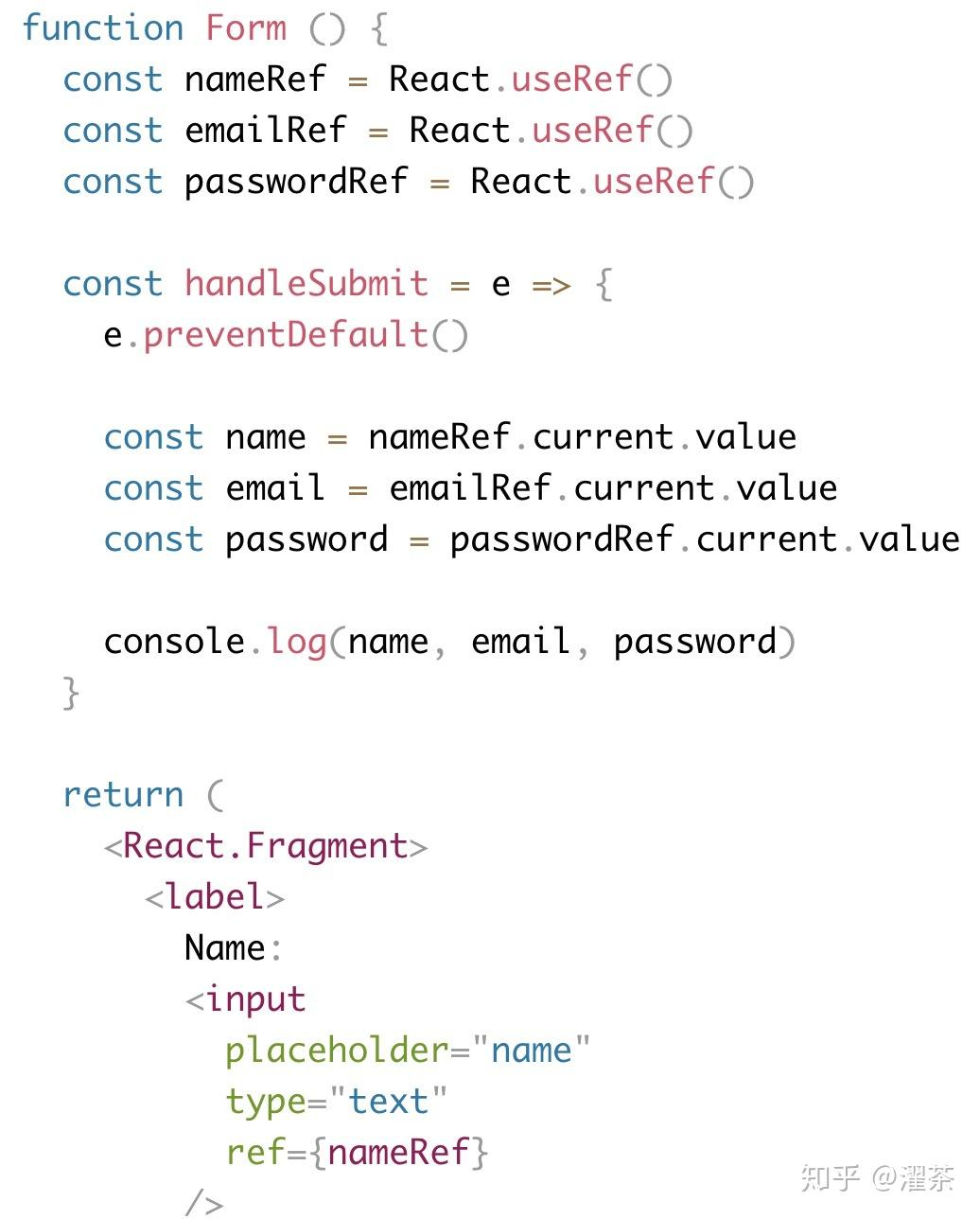
useRef is used to persist a value across multiple renders of a component, or to access a DOM node.
Functionality:
- Persist values: Access and modify values via
ref.current.
- Persist values: Access and modify values via
Accessing the DOM: Obtain DOM nodes via
ref. Example code:
const inputRef = useRef(null);

useEffect(() => {

}
  inputRef.current.focus();
}, []);

return <input ref={inputRef} />;
useContext
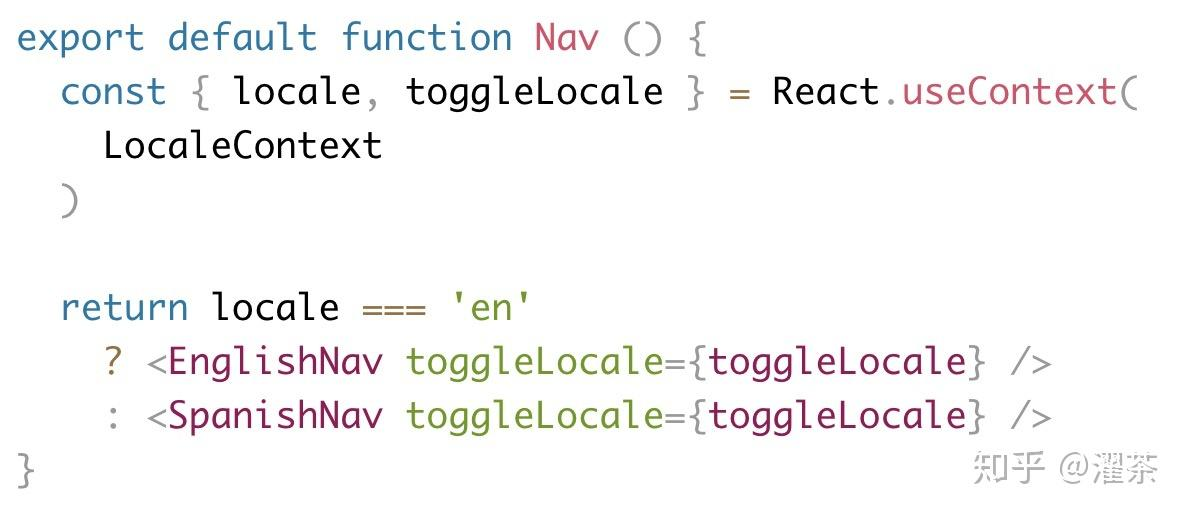
useContext provides a way to share data across components, avoiding the cumbersome process of passing props layer by layer.
Example code:
const ThemeContext = createContext();

function App() {

  return (
<ThemeContext.Provider value=“dark”>
  <Child />
</ThemeContext.Provider>
);
function Child() { const theme = useContext(ThemeContext); return
Performance Optimization
React.memo
React.memo is a higher-order component used to skip unnecessary re-renders.
default:
Example code:
}
}
const MemoizedComponent = React.memo(MyComponent);
useCallback
useCallback is used to memoize callback functions, preventing the creation of new function instances on parent component re-renders.
Example code:
const handleClick = useCallback(() => {

  console.log('Clicked');
}, []);
useMemo
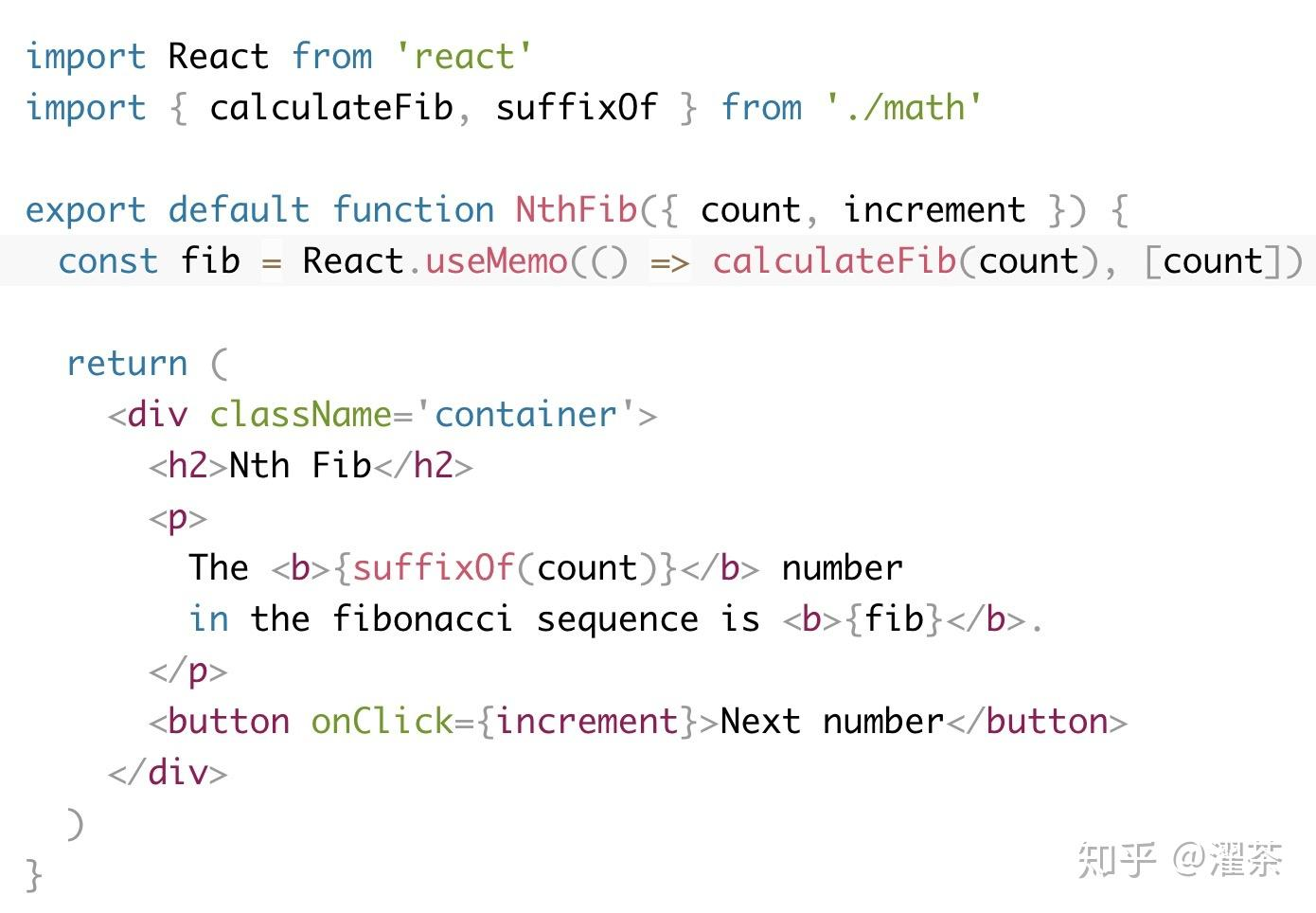
useMemo is used to cache the result of a calculation to avoid unnecessary recalculations.
Example code:
const memoizedValue = useMemo(() => computeExpensiveValue(a, b), [a, b]);
}
}
References
- React Hooks Documentation — Official React documentation for all built-in hooks
- A Complete Guide to useEffect — Dan Abramov — Comprehensive guide to understanding useEffect
- Why React Hooks? — YouTube (React Conf 2018) — Sophie Alpert and Dan Abramov introducing Hooks at React Conf
New articles on AI agents, full-stack engineering, and a one-person company
I email new writing about AI and agents, full-stack engineering, and building a one-person company. No spam, and you can unsubscribe anytime.